
If a sip of hot tea or a bite of ice cream makes you wince, tooth sensitivity might be to blame. It’s a common problem that ranges from a brief twinge to ongoing discomfort. At Royal Oral & Dental Clinic, we help patients understand tooth sensitivity causes and learn how to stop sensitivity with step-by-step solutions — from simple home care to in-clinic treatments — so you can enjoy food and drink again without fear.
What is tooth sensitivity?
Tooth sensitivity, also called dentin hypersensitivity, occurs when the protective covering of the tooth (enamel) wears away or gums recede, exposing the dentin underneath. Dentin contains microscopic tubules that connect to the tooth’s nerve. When exposed to hot, cold, sweet, or acidic stimuli, these tubules allow sensations to reach the nerve and cause pain.
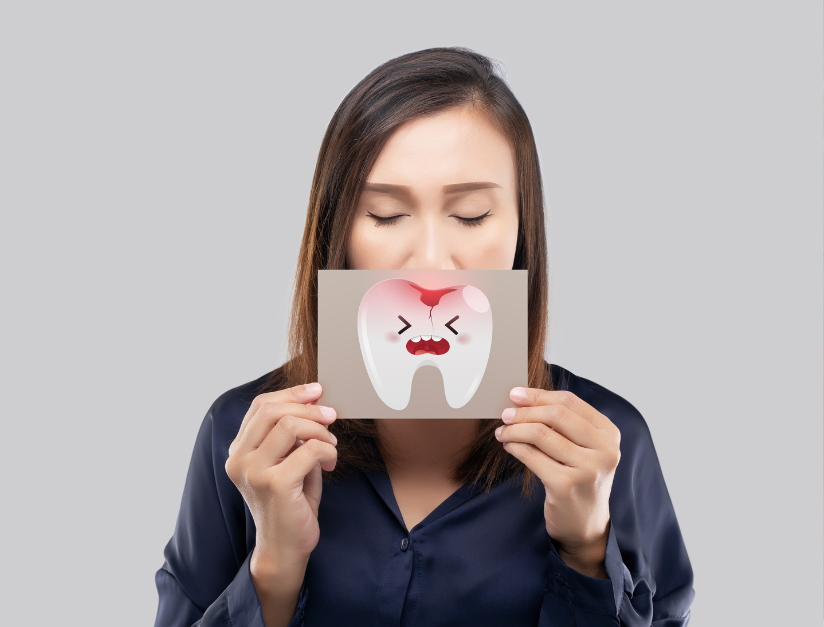
Common causes of sensitivity
- Enamel erosion: Frequent acidic foods/drinks or reflux thin enamel and expose dentin.
- Gum recession: Exposes root surfaces that lack enamel.
- Aggressive brushing: Hard brushing or stiff brushes wear enamel and irritate gums.
- Teeth whitening: Sensitivity after whitening is common — bleaching agents can temporarily increase dentin permeability.
- Cracks/worn fillings: Damage exposes inner tooth layers.
- Grinding (bruxism): Repeated wear increases sensitivity.
- Tooth decay/exposed roots: Cavities and root exposure are common causes.
Why whitening can cause sensitivity
Whitening products use peroxide to remove stains. That process can temporarily open dentin tubules or mildly inflame the nerve, producing a short-lived sensitivity (often 24–72 hours). Proper pre/post-care reduces the chance and severity.
How to stop sensitivity — immediate steps
- Switch to a toothpaste for sensitive teeth containing potassium nitrate or stannous fluoride; use twice daily.
- Rinse with a fluoride mouthwash (alcohol-free) to strengthen enamel. This addresses the best sensitivity mouthwash features — alcohol-free and fluoride or remineralizing agents.
- Avoid triggers: skip very hot, cold, acidic, or sugary items until symptoms ease.
- Use a soft toothbrush and gentle circular strokes.
- Try topical desensitizing gels or trays for short-term relief.
Choosing products (what to look for)
Rather than chasing brands, focus on active ingredients: potassium nitrate calms the nerve signal; stannous fluoride blocks tubules and helps remineralize. For mouthwash, prefer alcohol-free formulas with fluoride. Consistent use — not instant fixes — gives the best result.
When to see your dentist
See us if sensitivity is sudden, localized to one tooth, accompanied by swelling, or doesn’t improve in a few weeks. These could indicate cavities, cracks, infection, or deeper pulp involvement that may require fillings, bonding, or root canal therapy.
Professional treatments
- In-office fluoride varnish and desensitizing agents to seal tubules.
- Bonding or restorations to cover exposed roots or damaged enamel.
- Root canal therapy for severe nerve involvement.
- Custom night guards for grinding prevention.
Prevention & long-term care
Limit acidic foods/drinks, avoid aggressive brushing, maintain regular dental checkups, and treat grinding. If you plan whitening, have it supervised to minimize sensitivity risk.

FAQs on Tooth Sensitivity
Q1. What are the main tooth sensitivity causes?
Tooth sensitivity is usually caused by enamel erosion, gum recession, tooth decay, teeth grinding, or damaged fillings. Even dental treatments like whitening can trigger temporary discomfort.
Q2. Why do I have sensitivity after whitening?
Teeth whitening uses bleaching agents that can temporarily open up dentin tubules, making nerves more responsive. This sensitivity usually lasts a few days and can be managed with desensitizing toothpaste or fluoride rinses.
Q3. Which toothpaste for sensitive teeth works best?
Look for a toothpaste for sensitive teeth that contains potassium nitrate (to calm the nerves) or stannous fluoride (to block tubules and strengthen enamel). Use it twice daily for lasting results.
Q4. What is the best sensitivity mouthwash?
An alcohol-free fluoride mouthwash is best for sensitive teeth. It strengthens enamel, reduces pain triggers, and prevents cavities without irritating your gums.
Q5. How can I stop sensitivity naturally at home?
You can reduce discomfort by switching to a soft-bristled toothbrush, avoiding acidic foods, using fluoride mouthwash, and applying desensitizing toothpaste. However, if the problem persists, visit your dentist for a professional solution.
Q6. Can sensitive teeth be permanently cured?
Mild sensitivity can often be managed with at-home care, but permanent relief depends on the cause. Professional treatments such as fluoride varnish, bonding, or gum grafting may be needed for lasting comfort.
Q7. When should I see a dentist for tooth sensitivity?
If your sensitivity is sudden, severe, affects only one tooth, or lasts more than two weeks despite using special products, it’s time to book a consultation at Royal Oral & Dental Clinic.
At Royal Oral & Dental Clinic we tailor care — from product advice to in-office treatments — to restore a comfortable, pain-free smile. Book an assessment to get a personalized sensitivity plan.
Website = https://drdeepeshgupta.com/
Appointment no = +91 90268 02954